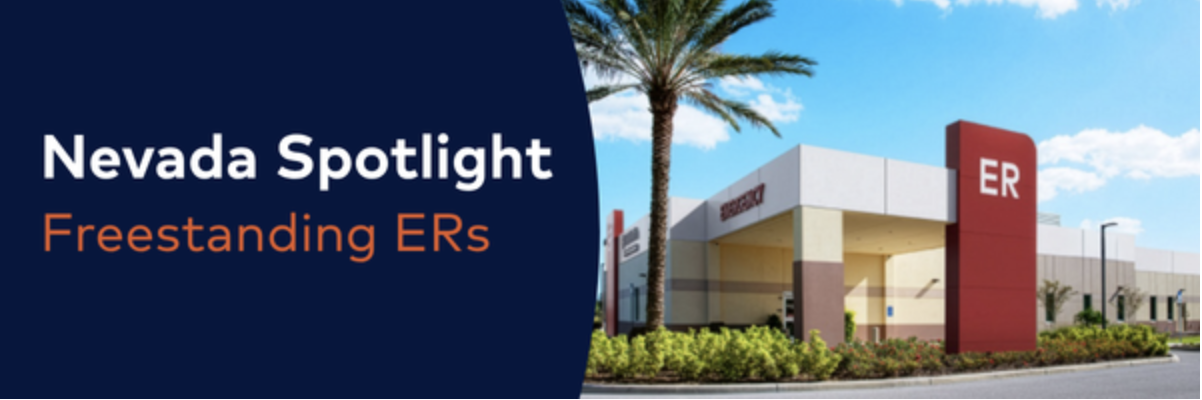
Summer often brings an increase in injuries and illnesses that require immediate medical attention, from heat-related conditions to burns and other unexpected accidents. As more patients seek care, freestanding emergency rooms are becoming more popular. This often leads to an important question from family, friends and neighbors: What is a freestanding ER, and how does it differ from an urgent care?
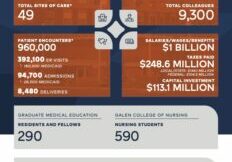
This message kicks off the beginning of a new educational series focused on FSERs. Our goal is to ensure that every one of the nearly 10,000 colleagues who make up HCA Healthcare in Nevada can confidently explain what FSERs are, how they function, and why they matter in our community.
What is a freestanding ER?
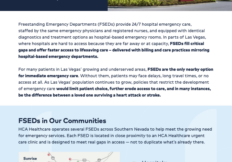
FSERs deliver 24/7, hospital-grade emergency care, staffed by board-certified emergency physicians and specially trained nurses. FSERs have on-site imaging and labs, including CT, X-ray, ultrasound and bloodwork, so a patient can be diagnosed in a single visit. Many also include a trauma bay to stabilize serious injuries the moment someone arrives.
FSERs operate as a department of a hospital, not a standalone clinic. If a patient needs to be admitted, they’re moved quickly and efficiently to the main hospital campus. Patients receive the same level of emergency care they would find in a main hospital ER but with a shorter wait.
How does an FSER differ from urgent care?
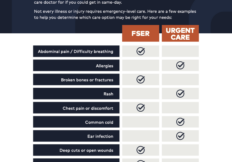
This is the part people mix up most. An FSER is the right choice for serious or life-threatening symptoms: chest pain, signs of a stroke, trouble breathing, severe injuries or heavy bleeding. Urgent care is usually the better fit for minor illnesses and injuries, like a mild fever, a sprain or a small cut. Unlike most urgent care clinics, FSERs never close. They’re open every hour of every day, including the nights, weekends and holidays when other doors are locked.
What does an FSER visit cost?
Cost and insurance are the questions patients ask most, so it helps to understand their access. FSERs follow the federal EMTALA law, which means they treat every patient regardless of ability to pay, and they bill based on the care they actually deliver. Most insurance plans cover emergency care, though a patient may still owe a copay, deductible or coinsurance depending on their plan.
Why do FSERs matter in Nevada?
Nevada is growing fast, and in many neighborhoods the nearest FSER is closer than the nearest hospital, sometimes by 20 to 30 minutes. In a heart attack or a stroke, those minutes provide life-changing outcomes. These sites also take real pressure off our main hospital ERs, which eases crowding and shortens wait times for everyone.
One last thing worth knowing. Access to FSERs has been questioned in past legislative sessions, and it may come up again. We want every member of our Nevada team to understand the facts, because you are one of the most trusted voices our community has on healthcare. Keep your eye out for more in this series on FSERs as we continue sharing helpful information in the emails ahead.
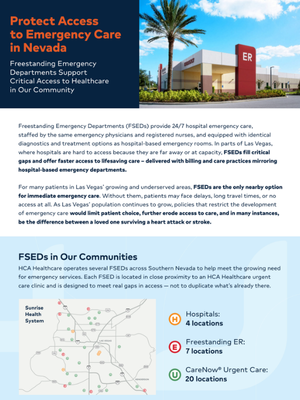
Want a quick overview at your fingertips? The below document captures some of the key points on a single page. It’s a handy reference to keep, and an easy thing to pass along to others in your network who care about access to care.
Thank you for everything you do for patients across Nevada.