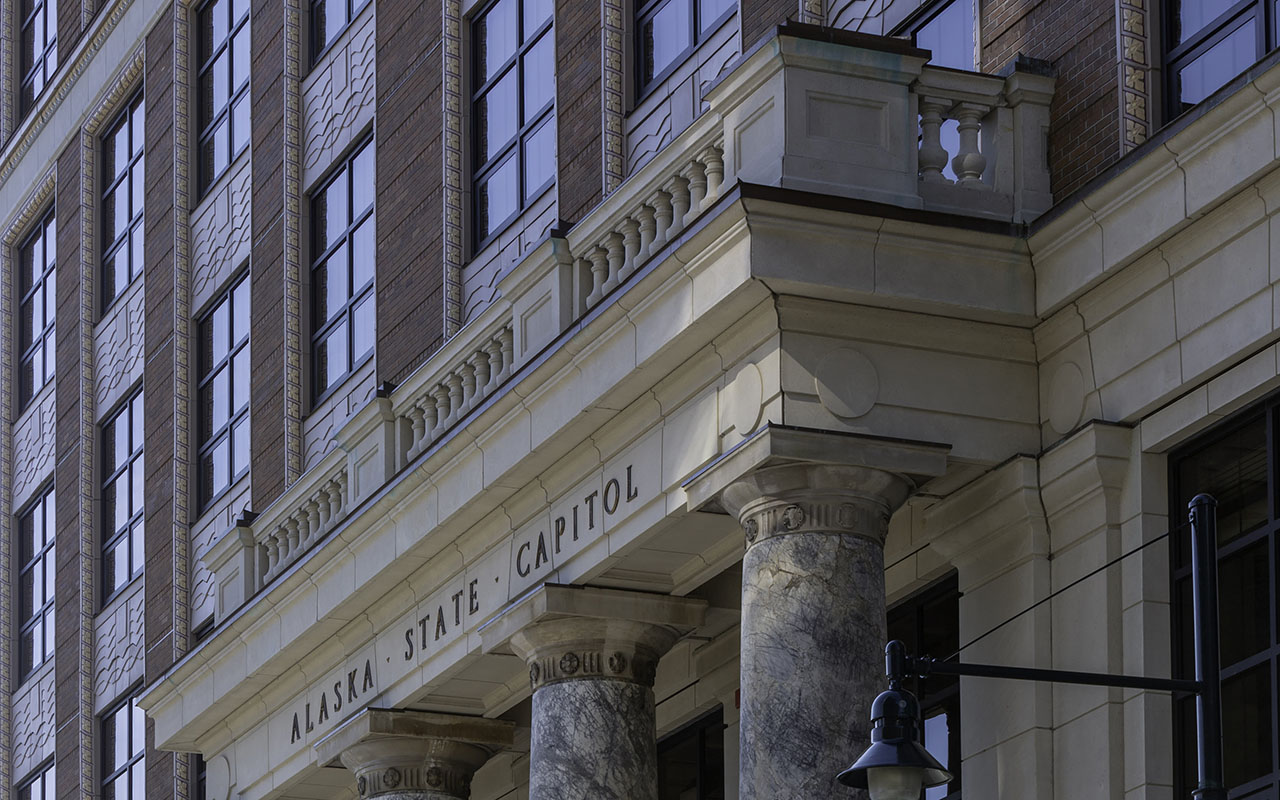
With less than a month remaining in Alaska’s 2026 legislative session, most legislative activity has focused on the budget process and the early rollout of the Rural Health Transformation Program. Lawmakers have focused on healthcare access, workforce shortages, school funding, disaster readiness, and affordability within a constrained fiscal environment.
HCA Healthcare is providing this session update to keep colleagues informed on key legislative developments that may affect care and access in the communities we serve.
Budget
Governor Dunleavy has paired the FY 2027 budget proposal with a broader fiscal plan, arguing that projected revenues will not cover essential state services and other legal obligations in the short to medium term.
The supplemental appropriations budget, HB 289, which includes $34.4 million in additional state dollars in FY 2026 for Medicaid funding, has been signed into law. The legislature has not yet passed the operating budget.
Alaska is experiencing a boost in its 2026 budget due to rising oil prices driven by ongoing conflicts in the Middle East. This unexpected surge in revenue has left state legislators grappling with how best to allocate and manage the additional funds. While the increase provides short-term financial relief, it also raises concerns about long-term fiscal stability, as oil revenues remain highly volatile and dependent on global events.
Medicaid and Healthcare Coverage
At this stage of the session, most of the key Medicaid action is unfolding through the budget process rather than through major standalone policy changes, although HB 151, which would provide continuous Medicaid eligibility for children under six, remains in House Finance as a carryover bill.
Lawmakers continue to weigh Medicaid costs alongside other core state obligations, especially in communities where access to care is already limited.
Rural Health Transformation Program
The Rural Health Transformation Program (RHTP) has become one of the session’s most significant healthcare developments, shifting attention from the application phase to the early stages of implementation. Alaska received a first-year federal award of about $272.2 million and is expected to receive about $1.3 billion over five years, giving the state one of the largest allocations in the country and the highest per-capita share. State and federal officials have emphasized that the opportunity will depend on timely implementation and strong coordination among providers, communities, and policymakers.
Administration of the program is taking shape. The Department of Health says funding submissions are under review, and Alaska continues to organize the initiative around six core priorities: maternal and child health, access to essential services, prevention and healthy communities, fiscal sustainability, workforce, and technology and innovation.
Healthcare Workforce
Workforce shortages continue to shape Alaska’s healthcare policy conversation, especially around licensing, scope of practice, and recruitment. The Alaska Board of Nursingreports a 22% vacancy rate in hospital registered nurse (RN) positions, an average of 118 days to fill an open hospital RN position, and a need for roughly 1,350 new nursing recruits each year. Those pressures are especially acute in rural and hard-to-staff areas.
SB 283, which would establish minimum nurse staffing ratios, would require hospitals to meet new mandated staffing levels. Although the bill currently lacks broad support and does not have a clear path to becoming law, we are working to educate lawmakers on its potential negative impacts. Alaska is already facing a significant nursing shortage, and implementing rigid staffing ratios could further strain hospital resources and exacerbate workforce challenges.
Our lobby team is monitoring this legislation closely to ensure it does not move through the legislative process.
HB 351 would make broad changes to nurse licensure in Alaska, including joining the multistate nurse licensure compact and updating related licensing and fee provisions. The bill also touches hospital nurse staffing committees and nurse-to-patient ratios, making it a wider workforce and hospital operations measure.
The bill was referred to the House Labor and Commerce Committee on February 23, where it remains with no further movement to date.
HB 362 would establish a formal licensure framework for respiratory care practitioners in Alaska. The bill lays out licensing standards, licensure by credentials, renewal requirements, scope of practice, telehealth authority, disciplinary provisions, and related insurance and liability treatment. In practical terms, it would create a clearer regulatory pathway for respiratory care providers and could help support workforce stability in a specialized clinical area.
It moved through House Labor and Commerce with a do-pass recommendation on March 11, and was referred to House Finance.
SB 89 focuses on physician assistant practice authority. The bill would allow physician assistants to provide a broad range of medical services for which they are qualified and competent, while practicing under collaborative agreements with physicians in many settings and without a collaborative agreement in certain facility-based settings, including some licensed, tribal, federal, and rural facilities. It also updates licensing, temporary permits, and related statutory references for physician assistants.
SB 89 passed the Senate and awaits a floor vote in the House.