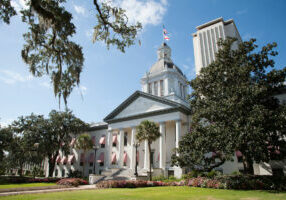
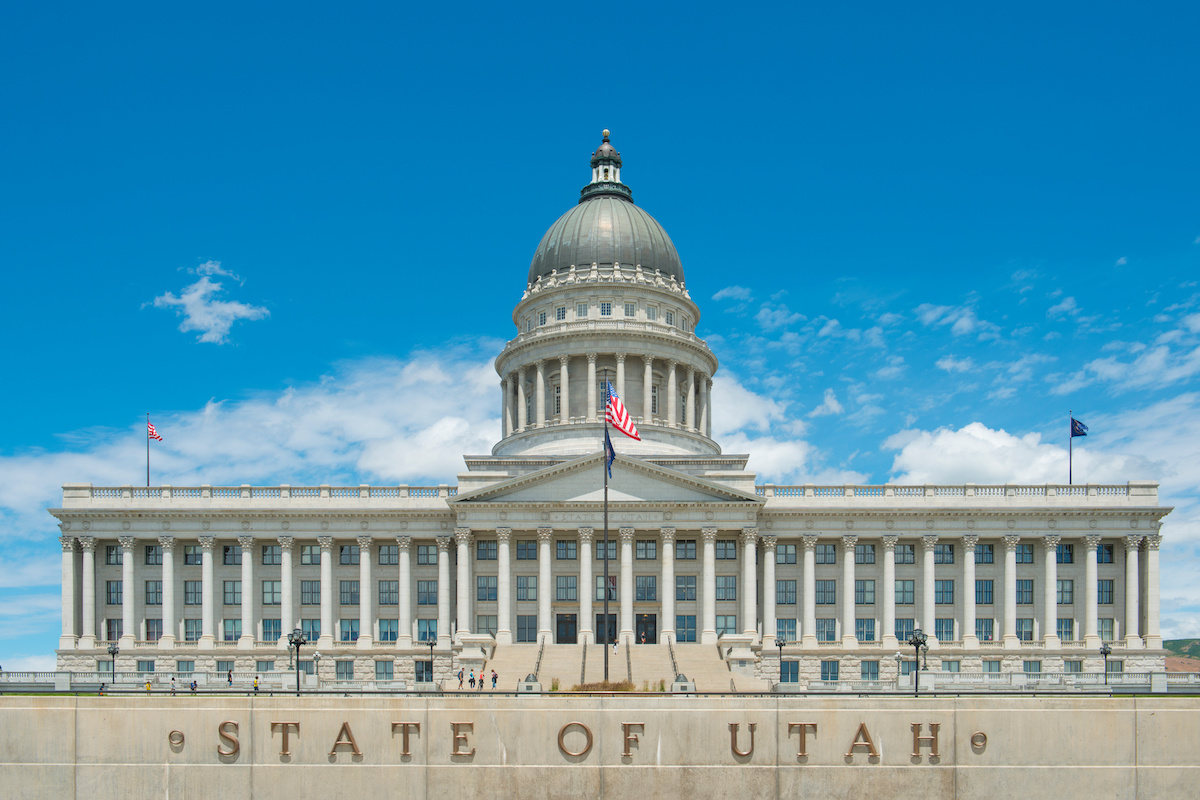
The Utah Legislature’s 2026 session begins January 20 and is scheduled to adjourn March 6. Senate President J. Stuart Adams (R) and House Speaker Mike Schultz (R), together with Governor Spencer Cox (R), are entering the session amid a tight budget forecast. Major debates are expected on: election and redistricting-related policies, healthcare and Medicaid, water and environmental stewardship, and growth-related infrastructure and housing.
HCA Healthcare is providing this legislative preview to keep colleagues updated on key developments that may affect care and access in the communities we serve. This is an overview of key policy proposals that lawmakers will likely consider during the 2026 session.
Second Special Session
On December 9, 2025, lawmakers convened a special session to address the ongoing congressional redistricting dispute and election administration. The legislature passed the full package of bills, including SB 2001. The new law pushed the congressional candidate filing window from early January to March 9-13 to create additional time for appellate litigation over the court-ordered congressional map.
Lawmakers also approved changes to court procedures that routed election-, voting-, and redistricting-related appeals to the Utah Supreme Court as the primary (and, in many instances, exclusive) forum for review. Lawmakers also adopted SJR 201, rebuking the judiciary’s handling of the redistricting case and rejecting the court-selected map.
The Legislature voted to repeal HB 267, Public Sector Labor Union Amendments. The 2025 law sparked backlash among labor unions after curtailing collective bargaining for Utah public employees.
Budget
Governor Cox has proposed a $30.7 billion state budget for the next fiscal year, slightly below the current $30.8 billion FY 2026 budget. The proposal reflects flattening revenue following recent impacts from federal tax law conformity and a more cautious outlook that prioritizes core services and targeted investments over major new spending commitments.
Key highlights include:
- $25 million for homeless services capital investments
- $20 million in ongoing operational support for homelessness response
- $5 million in one-time funds for short-term stabilization needs tied to homelessness response
- $5 million for the Great Salt Lake Long-Term Water Program
- $5 million to extend the Colorado River Demand Management Pilot Program
- $654.2 million for public education, including a 4.2% increase in the Weighted Pupil Unit
Medicaid and Healthcare Coverage
As of May 2025, about 337,000 children and adults are enrolled in Utah Medicaid, including 78,000 covered through the state’s expansion group. During the 2026 session, lawmakers are expected to focus on program sustainability, access, and budget pressures, including how coverage policy interacts with provider capacity and behavioral health demand.
HB 15, Medicaid Expansion Amendments, has been pre-filed for the 2026 General Session. The bill would modify elements of Utah’s Medicaid expansion program, with the scope and fiscal impacts expected to be clarified as the bill moves through committees.
Environment, Infrastructure & Housing
Water and growth infrastructure will remain major session themes in 2026. There is continued legislative attention on Great Salt Lake recovery and Colorado River resilience.
Lawmakers are also expected to continue implementing the Utah Housing Strategic Plan as they weigh how transportation, water, and community infrastructure capacity affects attainable housing supply.
Homelessness policy is closely tied to capital planning and long-term operating commitments. State leaders have proposed a 1,300-bed homeless services campus in northwest Salt Lake City, estimated at $75 million to build with annual operating costs above $34 million. In 2026, debate is likely to focus on the project’s siting and governance, expected service model, and how the campus fits into the state’s approach for people with high utilization of emergency and criminal justice systems.
Education
HB 31, Local Education Agency Financial Reporting, has been filed for the 2026 General Session and focuses on financial reporting and transparency requirements for local education agencies.