HCA Healthcare is providing this legislative preview to keep colleagues informed about key developments that may affect care delivery and access in the communities we serve. This is an overview of key policy proposals that lawmakers may consider during the 2026 session.
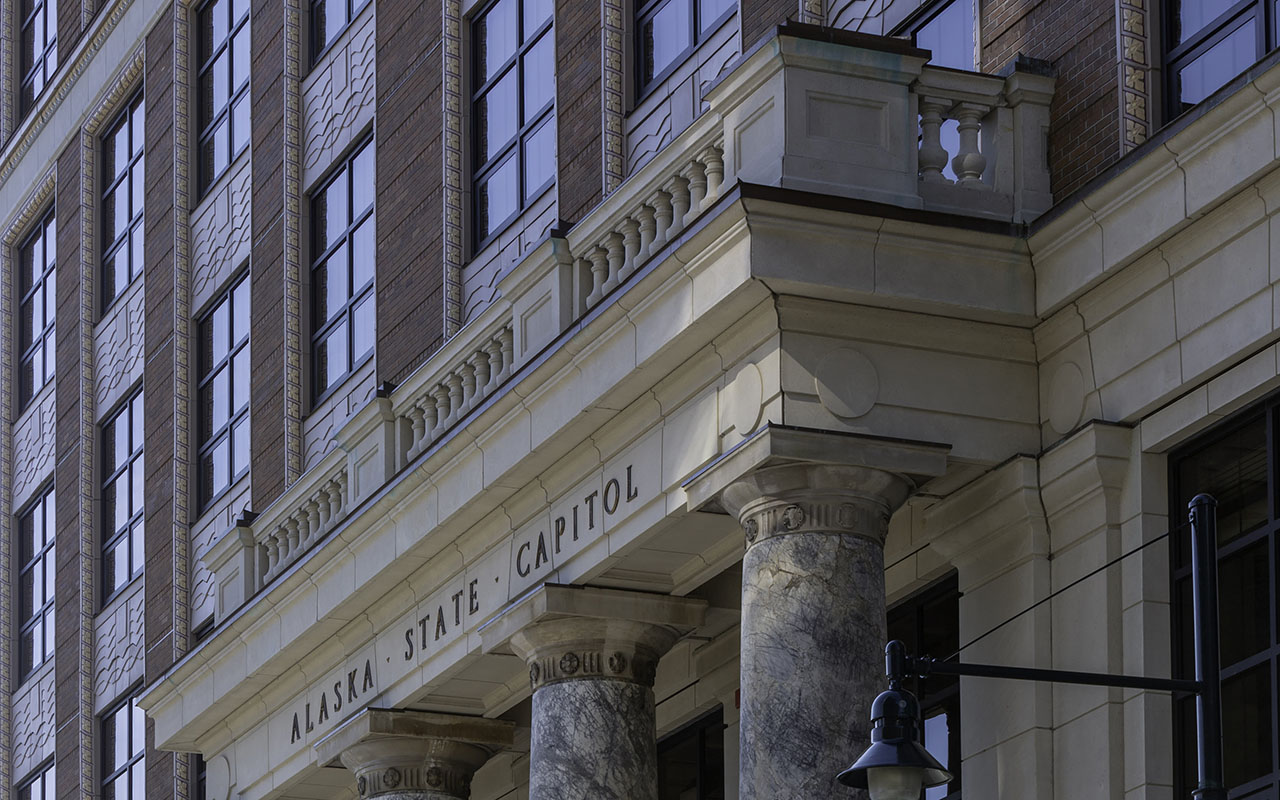
Alaska legislators will return to Juneau on January 20 for the Second Regular Session of the 34th Alaska Legislature. Alaska operates on a two-year legislative cycle, bills introduced during the 2025 First Regular Session will carry over into 2026 unless they were already enacted or defeated.
The upcoming session will convene under Senate President Gary Stevens (R) and House Speaker Bryce Edgmon (NPA), with Governor Mike Dunleavy (R) entering the final year of his second term. Lawmakers are expected to focus on long-term fiscal sustainability, education funding, public safety, workforce shortages, healthcare access, and ongoing cost of living challenges.
Budget
Governor Dunleavy released his proposed FY 2027 Budget Overview and 10-Year Plan in December 2025. The proposal totals $12.1 billion across all funds and includes approximately $7.6 billion in Unrestricted General Fund operating appropriations.
The proposed budget sets up several major themes lawmakers are expected to debate during the 2026 session:
- Permanent Fund Dividend (PFD): A proposed full statutory dividend of $3,650 per eligible Alaskan.
- Savings Draw: The plan relies on drawing more than $1.5 billion from the Constitutional Budget Reserve (CBR).
- Major Spending Areas: More than $3.8 billion for the Department of Health, primarily for Medicaid services, and over $2.9 billion for education, including about $1.3 billion for K-12 public education.
- Long-term plan: Governor Dunleavy intends to announce a longer-term fiscal plan in January, keeping revenue and structural budget issues front-and-center.
Medicaid and Healthcare Coverage
Medicaid remains central to Alaska’s health system and state budget. As of May 2025, 236,000 residents enrolled in Alaska Medicaid, with coverage reaching about 32% of Alaska’s population and 53% of Alaskans living in rural areas. The governor’s proposed FY 2027 budget and 10-year plan treats Medicaid as a major cost driver and projects $746.6 million in Unrestricted General Fund costs in the fiscal year.
Two unresolved Medicaid-related bills from the first year of the 34th Legislature remain active heading into 2026:
- HB 151 would establish continuous Medicaid eligibility for children under six, reducing coverage losses tied to renewal and paperwork churn.
- SB 45 would align Medicaid mental health and substance use disorder coverage with parity standards.
Rural Health Transformation Program
The Rural Health Transformation Program (RHTP), a new program created under the One Big Beautiful Bill Act (OBBBA), will award $50 billion in state grants between 2026 and 2030. The program is designed to support rural healthcare access, workforce capacity, technology modernization, and infrastructure investment.
Alaska submitted the state’s application in November 2025, and federal funding decisions are expected by the end of the year. Funding distribution is expected to begin in early 2026.
Alaska’s proposed RHTP initiatives focus on strengthening rural health systems through several key efforts:
- Healthy Beginnings: Invest in maternal and child health to help Alaskan families start strong.
- Health Care Access: Expand and maintain access to essential health services in rural, remote, and frontier communities.
- Healthy Communities: Promote healthy lifestyles by investing in preventive care.
- Fiscal Sustainability: Pursue innovative payment models to build a stronger, more sustainable health care system.
- Strengthen Workforce: Grow and support skilled, resilient health care teams across Alaska.
- Spark Technology and Innovation: Update technology and infrastructure to improve care and drive innovation.
Healthcare Workforce
Alaska’s healthcare labor shortage remains one of the most persistent pressures on access and hospital capacity heading into 2026.
The following unresolved bills from the first session remain active:
- HB 131/SB 124 would authorize Alaska to join the multistate nurse licensure compact, allowing nurses licensed in one compact state to practice in others.
- HB 158 would expand the use of temporary licenses for certain professions to help fill workforce gaps more quickly.
- HB 173/SB 172 would enact the Occupational Therapy Licensure Compact in Alaska, making it easier for occupational therapists and assistants licensed in other compact states to practice in Alaska.
The Alaska Healthcare Workforce Analysis estimated the state needs more than 9,400 new healthcare workers each year, including 1,400 registered nurses (RNs) annually, to keep up with demand, turnover, and retirements. The Dunleavy administration has also cited a 22% hospital RN vacancy rate as part of the rationale for the multistate nurse licensure legislation.
Education
Education funding will carry into the 2026 session after a high-profile debate over the state’s school funding formula during the First Regular Session. In 2025, lawmakers enacted a permanent $700 increase to the Base Student Allocation (BSA). Governor Dunleavy later used a line-item veto to cut $200 per student, but the Legislature overrode that veto, restoring the full increase. A legislative education funding task force is actively reexamining the formula, keeping K-12 funding and education reforms on the 2026 agenda.
Key bills expected to carry over include:
- SB 82, a broad K-12 package, would implement changes toward school attendance, mobile device use, reading proficiency incentive grants, charter school authorization, student transportation, school bond debt reimbursement, and funding for technical and vocational education programs.
- HB 92 would require the Department of Education and Early Development to provide CPR education in public schools.
- HB 166 would direct the department to develop and require an opioid abuse awareness and prevention curriculum.
Housing
To address supply and affordability pressures, housing debates are expected to center on new local tax incentives and state development-finance tools to increase workforce housing supply. Many communities in the state are already being impacted by hiring and service delivery constraints.
The housing shortage has been cited as a barrier for employers trying to hire, and economists warn homeownership and renting costs have surged.
Active housing bills expected to carry into 2026 include:
- HB 13 would allow municipalities to offer optional property tax exemptions for specific long-term rental units, mobile home parks, housing rented to low-income families, owner-occupied homes, and properties owned by first-time homebuyers.
- SB 14 would allow the Alaska Industrial Development and Export Authority (AIDEA) to finance workforce housing development projects, adding housing to AIDEA’s existing economic development tools.
Public Safety
Public safety debates in 2026 are expected to put greater emphasis on disaster readiness, rural response capacity, and emergency funding. The focus on disaster readiness follows major storm impacts in Western Alaska and a late-2025 disruption in federal food assistance.
Governor Dunleavy declared a 30-day disaster to temporarily backfill SNAP benefits after more than 66,000 Alaskans didn’t receive expected food aid. The state committed up to $10 million, with an expectation the Legislature will be asked in 2026 to replenish disaster relief funding and restore the diverted appropriation.
In October 2025, Typhoon Halong damaged communities in Western Alaska and displaced residents, calling for immediate federal aid and even a regional response center in Bethel.
Key measures include:
- SB 192 would establish evacuation designation levels and make related updates under the Alaska Disaster Act.
- SB 195 would address slow-onset disasters under the Alaska Disaster Act.
Technology
The 2026 session is expected to cover how Alaska regulates AI-generated content and synthetic media, especially in elections, and how state government and schools set guardrails for AI use and data security. In October 2025, the Department of Education and Early Development released guidance encouraging districts to move beyond outright bans and address issues like data security and privacy in school AI policies.
Key bills carrying over include:
- SB 2 would require disclosure when election-related communications use AI-generated deepfakes, set standards for how state agencies use artificial intelligence, and create rules for transferring data about individuals between state agencies.
- SB 33 would create defamation rules for synthetic media and set requirements for the use of artificial media in electioneering communications, aiming to address misinformation risks to voters.