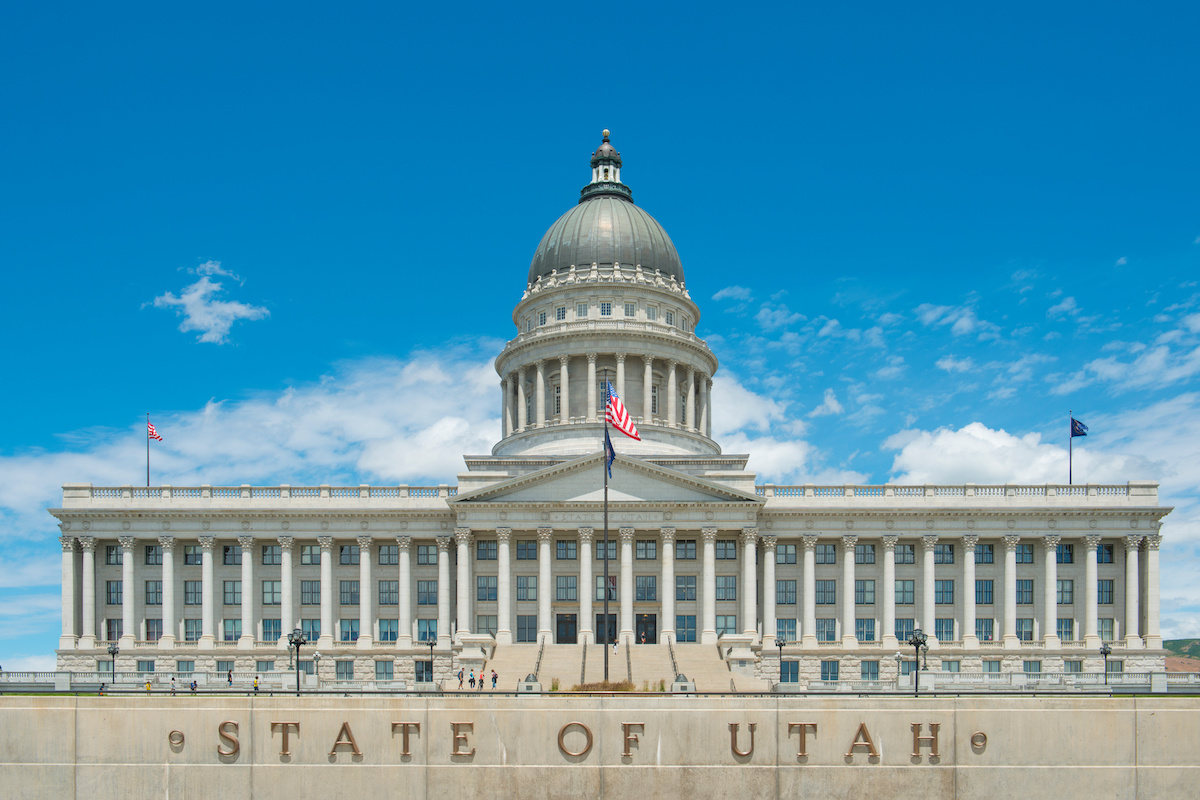
Utah’s 2026 General Session adjourned on Friday, March 6. Governor Spencer Cox had until March 26 to act on bills passed during the session. The session was active across several major policy areas, including healthcare, water policy, and education.
For hospitals and healthcare employees, the most important developments centered on Medicaid, hospital operations, workforce policy, and the FY 2027 budget.
HCA Healthcare is providing this end-of-session recap to keep colleagues informed on key legislative developments that may affect care and access in the communities we serve.
Budget
Utah’s FY 2027 budget totals $31.6 billion from all sources, including $12.4 billion from the General and Income Tax Funds. Lawmakers authorized the state to use all available money in several healthcare-related funds for FY 2027, including the Ambulance Service Provider Assessment Expendable Revenue Fund, Nursing Care Facilities Provider Assessment Fund, and Medicaid ACA Fund. The budget also preserves significant healthcare-related funding, including Rural Health Transformation Program dollars, and includes implementation funding for new laws passed during the session.
Lawmakers appropriated $195.7 million in federal Rural Health Transformation funding to DHHS and authorized additional RHTP funding across several other state entities, subject to CMS guidelines and final federal approval.
Medicaid Work Requirements
The One Big Beautiful Bill Act, passed by Congress, requires states that have expanded Medicaid to implement work requirements. Utah addressed this requirement with HB 471, which includes work requirements for certain Medicaid enrollees, tightens verification standards, adds new citizenship and stronger residency verification procedures, and shortens retroactive eligibility to one month for the expansion population and two months for the traditional Medicaid population. Some provisions take effect May 6, and others January 1, 2027. These changes align with broader federal Medicaid policy changes and will require hospitals to prepare for new eligibility and verification processes.
The bill passed the Legislature and was signed by the governor on March 24.
Healthcare Workforce
HB 270 voids non-compete agreements for healthcare workers and makes certain nonsolicitation provisions unenforceable if they prevent a healthcare worker from informing patients of the worker’s current or future place of employment.
The bill passed the Legislature and was signed by Governor Cox on March 24. It will take effect May 6.
HB 380 requires general acute and specialty hospitals to establish a workplace violence incident reporting system by November 1, record reported incidents, prohibit retaliation for reporting, analyze incident data, and report incidents annually to the state. The reporting system also needs to support hospital improvements in areas such as de-escalation training, risk identification, and violence-prevention planning.
The governor signed HB 380 on March 18. The bill will take effect on May 6.
Hospital Operations
Several hospital-related bills this session addressed operational issues that directly affect care delivery, including medication use after discharge, blood transfusion practices, and transportation between facilities. The results were mixed, with two bills passing and one bill failing.
HB 97 allows designated facilities, including general acute hospitals and critical access hospitals, to provide patients with the unused portion of certain facility-provided medications under specified conditions, and includes labeling and patient-counseling requirements. The goal is to reduce waste while helping patients continue needed treatment after discharge. Hospitals that use this option will still need clear procedures across pharmacy, nursing, and discharge planning to ensure the process is handled safely and consistently.
Governor Cox signed HB 97 on March 17.
HB 417 requires healthcare facilities to allow patients to use non-medical transportation for certain interfacility transfers when ambulance transportation is not medically necessary. The bill requires written notice to patients about possible insurance and cost consequences, sets rules for receiving-facility admissions and billing if the patient arrives within the required time, and provides liability protections for the originating facilities and providers. Hospitals may need clear discharge, transfer, and documentation procedures to implement these requirements consistently.
The bill was signed by the governor on March 18 and will take effect on May 6.
HB 156 would have limited when a hospital or provider could prevent a patient from arranging to use the patient’s own blood product or a directed donor’s blood product for a potential transfusion. Its failure leaves existing hospital transfusion policies in place and avoids a new set of operational and liability questions tied to blood-bank procedures, patient requests, scheduling, and documentation.
The bill passed the House on February 5 but failed to advance in the Senate and did not pass during the 2026 session.
Other Healthcare Related Bills
HB 51 addresses adoption and child-placing agency requirements, including provisions related to adoption services in healthcare facilities and birthing settings. The measure is narrower than the session’s major Medicaid, workforce, and hospital-operations bills, but is relevant for hospitals with birthing services, as it would require facility policies related to adoption services and creates reporting expectations involving child-placing agencies.
The bill was signed into law on March 25.