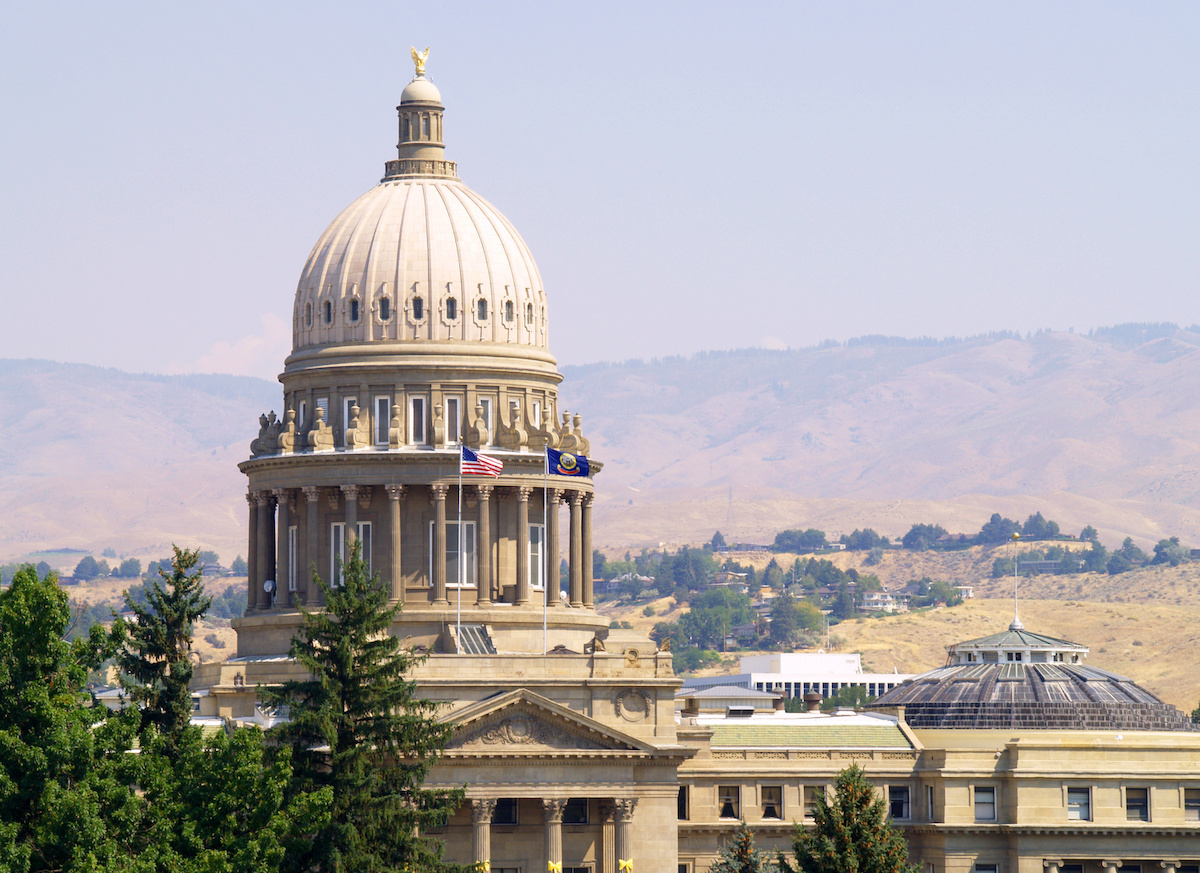
The Idaho Legislature will begin its 2026 session on January 12 and leaders are targeting a March 27 adjournment. This year’s session unfolds against the backdrop of a major election year, with all 105 legislative seats and several statewide offices on the ballot in November. Legislative leaders have already signaled interest in keeping the session relatively short to accommodate campaigning.
Under the leadership of Senate President Pro Tempore Kelly Anthon (R) and Speaker of the House Mike Moyle (R), and in conjunction with Governor Brad Little (R), this session will address a range of issues, including the state budget and tax policy, Medicaid, education funding, and immigration enforcement.
HCA Healthcare is providing this legislative preview to keep colleagues updated on key developments that may affect care and access in the communities we serve. This is an overview of key policy proposals that lawmakers will likely consider during the 2026 session.
Budget
Governor Little has not yet released a full state budget proposal for the upcoming fiscal year. Idaho is already facing a projected $40 million general fund deficit in FY 2026, driven by lower-than-expected revenues and earlier income-tax cuts.
Looking ahead, state budget analysts warn that, depending on how revenues perform and whether lawmakers fully conform to President Trump’s federal “One Big Beautiful Bill Act” (OBBBA), Idaho may need to close an FY 2027 budget gap estimated between $600 million and $1 billion.
Medicaid
Idaho will enter the 2026 session with Medicaid at the center of budget discussions. Rising Medicaid enrollment and higher healthcare costs continue to place pressure on the state’s general fund. As of June 2025, Medicaid enrollment exceeds 318,000, reflecting sustained growth in the program over the long term. Even after a 4% cut to Medicaid provider reimbursement rates, state forecasts show lawmakers will need to allocate approximately $81.5 million in additional Medicaid funding in the current fiscal year to cover higher costs.
Over the next decade, OBBBA is expected to cut federal funds for Idaho Medicaid by $4.3 billion, which could reduce enrollment by almost 40,000 people. These projections have intensified concerns among providers about the downstream effects on hospitals, clinics, and patients’ access to care.
With limited flexibility in federal Medicaid rules, the Idaho Department of Health & Welfare (IDHW) has consistently noted that the state has only a few levers to control program spending: reducing benefits, cutting provider reimbursement rates, or limiting enrollment. Since voters approved Medicaid Expansion through a ballot initiative in 2018, many legislators have blamed the expansion population for rising program costs, and another attempt to repeal or significantly scale back expansion is likely during the 2026 legislative session.
These budget pressures come on the heels of a major Medicaid overhaul enacted last year. From the 2025 session, HB 345, the Medicaid Reform & Cost Containment Act, requires Idaho to transition the entire Medicaid program to comprehensive managed care. IDHW is now in the early design phase of that transition, which will include three statewide managed care organizations.
Rural Health Transformation Program
In November 2025, Idaho applied for up to $1 billion over five years through the federal Rural Health Transformation Program, a new initiative created under OBBBA to strengthen rural healthcare access, workforce capacity, and local infrastructure.
CMS has announced awards for all 50 states under the program. Idaho will receive nearly $186 million for FY 2026.
Feedback from the public, federally recognized tribes in Idaho, and Idaho legislators shaped the state’s application. The initiatives included are:
- Improving rural access to care through technology
- Ensuring accessible, quality care through innovative models
- Sustaining the rural workforce through training, recruitment, and retention
- Implementing population-specific, evidence-based projects to make rural America healthy again
- Investing in rural health infrastructure and partnerships
Healthcare Workforce
Idaho’s healthcare workforce shortages, particularly in obstetrics and rural primary care, continue to be a significant concern heading into the 2026 session. Idaho continues to rank among the lowest states in terms of physicians per capita, and rural areas face persistent gaps in access to maternal and primary care.
The Idaho Medical Education Working Group released a draft Undergraduate Medical Education Report and Multi-Year Plan in December 2025 outlining options to expand the state’s medical education capacity and strengthen the physician pipeline. Lawmakers are expected to evaluate how much Idaho can continue to invest in medical training programs and other workforce initiatives while balancing broader fiscal pressures.
Immigration
Idaho lawmakers may consider new immigration-related proposals in the 2026 session as national attention to border and enforcement policies continues to shape state-level debates. Governor Little has emphasized ongoing support for immigration enforcement efforts, including the Idaho State Police’s cooperation with federal authorities. Some Idaho legislators have made efforts to partner with national conservative policy groups to draft stricter enforcement bills, which could include enhanced criminal penalties, expanded cooperation with federal authorities, or new reporting requirements for state and local agencies.